How to Choose a Night Viewing Experience at Niagara Falls
A niagara falls night tour can feel very different from a daytime visit. The falls are still the main event, but the pace, the light, the crowds and the route all change after dark. A good choice depends on what you want to see, how much walking feels comfortable and whether you want the water up close or from above. Work through the points below in order, and check each one before you commit.
Start with the kind of night you want
Before comparing options, decide what kind of evening you are picturing. Some visitors want a calm walk with wide views. Others want the spray and sound of the water from a boat cruise, or a higher view from an observation deck. A niagara falls night tour built around one style may not deliver the same experience as another.
Think about the mood first. If you are travelling with children, older adults or anyone sensitive to noise, a quieter promenade route may suit better than a late, busy outing. If the trip is about photography, a route with stable viewpoints and time to set up matters more than a fast moving schedule. If the occasion is special, illumination and fireworks may be the main draw, so timing becomes the first filter.
This early decision keeps the rest simple. Instead of asking which option is best in general, ask which one fits the evening you have in mind.
Check the date and the lighting schedule
Night viewing is shaped by the calendar. Seasonal hours can affect which areas are open, how long they stay open and when evening features begin. A lighting schedule may also vary by date, weather conditions or local events, so a plan made weeks ahead should be checked again closer to the visit.
Look for clear information on when illumination usually starts and whether fireworks are part of the evening. Do not assume that every night offers the same display. If fireworks are a priority, make that the deciding factor and plan your meal, transfer and arrival time around it.
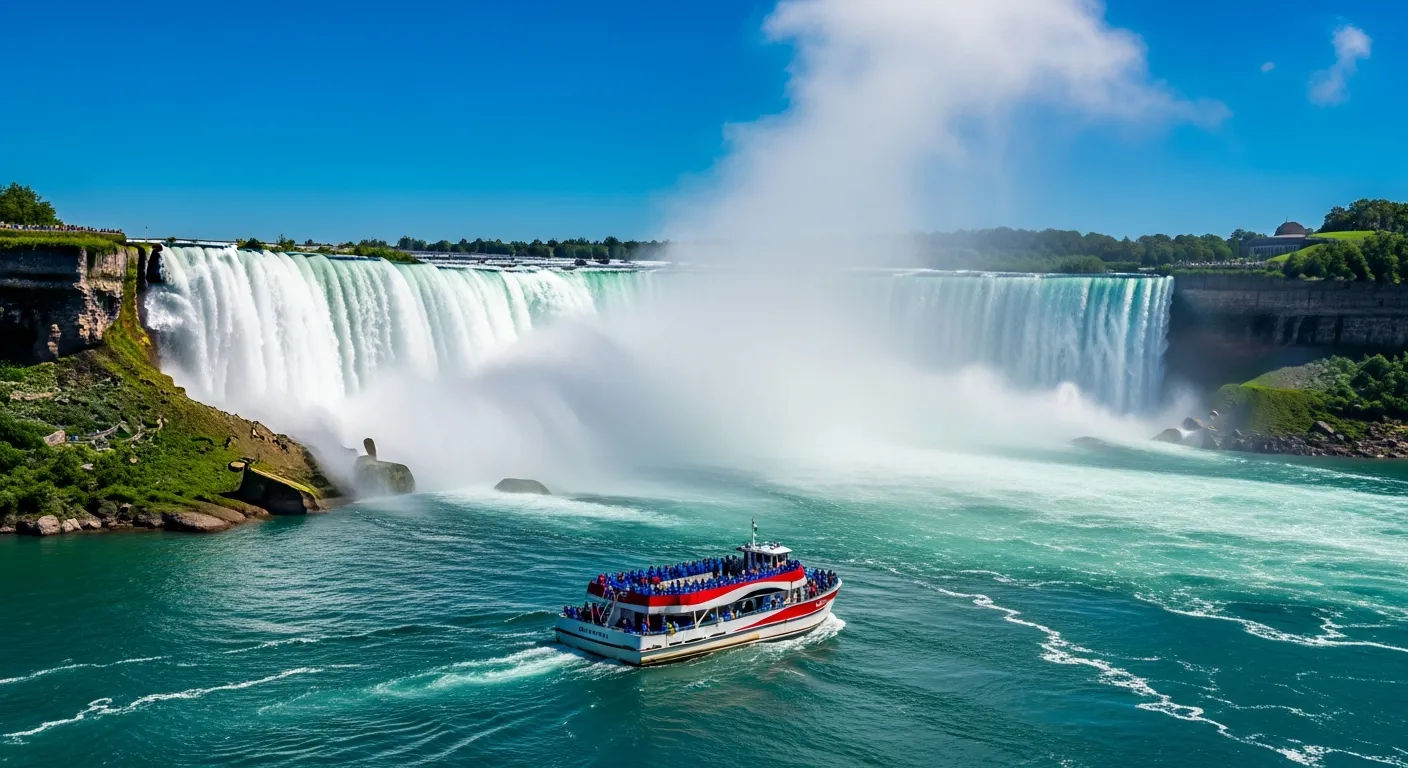
Also allow for sunset. In some seasons, the sky stays bright later than expected, which can soften the effect of lit water. A slightly later start may give better contrast, but it can also place you in a busier window. The trade off is worth considering before you choose.
Choose your viewpoint
The next step is to pick where you want to stand or sit. Each viewpoint changes the scale of the falls and the amount of detail you notice.
- Pedestrian promenade: Good for flexible viewing, fresh air and moving between angles. Watch for uneven surfaces, spray and crowds near popular railings.
- Observation deck: Useful for broader views and a clearer sense of the whole waterfall. Check whether the deck operates in the evening on your chosen date.
- Boat cruise: Brings visitors close to the water and gives a different sense of scale. Check whether an evening departure is available and what boarding time requires.
If walking is easy for you, a promenade based route offers the most freedom. If mobility is limited, a fixed viewpoint may be more comfortable, provided access and seating are confirmed. A boat cruise can be memorable, but it is less flexible, because boarding time, queues and weather can shape the whole evening.
Do not overlook the view from the Canadian side or the American side if your route crosses the border. Each side presents the falls differently, and border requirements can affect timing. Confirm identification and entry rules before building them into your plan.
Match the route to your time
A short evening and a full night call for different choices. If you only have a few hours, choose one main feature rather than trying to fit in every viewpoint. A focused plan leaves room for delays, photos and simple wandering.
Start by marking the time you need to arrive, the time the main feature begins and the time you must leave. Then add buffer time around each part. After dark, routes can feel slower because paths are busier, lighting changes visibility and people stop often to take pictures.
If you have more time, you can pair a late afternoon view with an evening display. That gives you a sense of the falls before the light changes. It also helps you find your bearings while it is still easier to see steps, railings and exits.
Sites such as niagarafallstour.co can be useful when comparing the shape of different outings, but the final choice should still rest on your own timing, route and comfort needs.

Read the details before booking
Once a few options look suitable, read the fine print with care. The best choice is often the one with clear logistics, not the one with the most dramatic description. Check what is included, where the experience begins and what happens if plans change.
Pay attention to meeting points, boarding rules, walking distance and whether the route is suitable for your group. Look for stated accessibility details if they matter. If a listing mentions seasonal hours, confirm that those hours apply to your exact date rather than a general season.
It is also wise to check what happens in poor weather. Mist, rain and wind can change visibility and comfort near the water. Some elements may continue in light rain, while others may be altered. A clear policy helps you judge the risk before you commit.
Avoid choosing only by the most convenient arrival time. A late option may sound appealing, yet it can make transport, parking or border crossing harder after the event ends. A slightly earlier option can feel easier and still deliver the full display.
Plan for comfort and safety after dark
Night viewing is straightforward when the basics are handled. Wear shoes with good grip, since walkways near water can be damp. Keep a light layer handy, even in warm months, because spray and breeze can make the promenade feel cooler.
Stay on marked paths and respect barriers. The edge of a viewpoint may look clear in daylight but feel different at night, especially when crowds gather. Keep bags closed and phones secure while moving. If you stop for photos, step aside rather than blocking a path.
For photography tips, arrive early enough to find a stable spot and avoid rushing. A steady hand, a clean lens and a little patience can matter more than advanced equipment. In misty areas, protect the lens and wipe it gently when droplets collect. If you use a tripod, choose a place where it will not create a hazard for other visitors.
Do not rely on a single photo spot. Move a short distance if the view is crowded or if lighting casts glare. A better angle is often a few steps away.
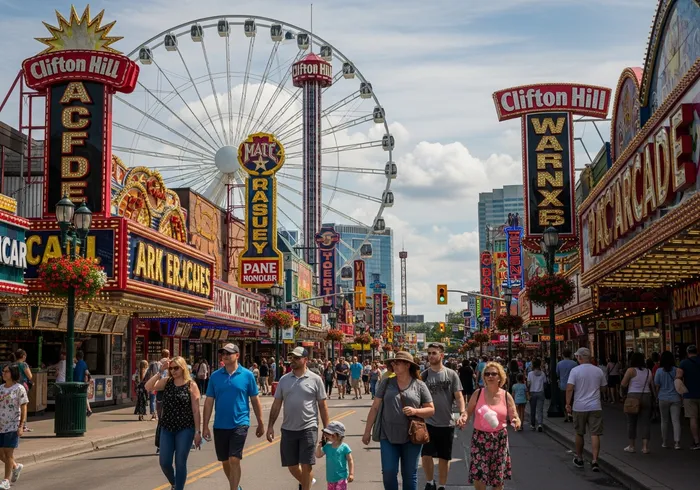
Make the final comparison
At this point, narrow the choice by weighing three things: the view, the timing and the level of effort. A route with excellent illumination views but a long walk may be less appealing than a shorter option with a slightly narrower view. A boat cruise may feel exciting, yet a fixed viewpoint may be easier for a mixed age group.
Write down the non negotiables before you decide. These might include fireworks, a particular side of the river, limited walking or a finish time that suits your transport. Then remove any option that fails one of those points. The remaining choices are usually close enough that personal preference can settle the matter.
Finally, check the details once more on the day. Look at the weather, confirm the lighting schedule and leave extra time for arrival. A niagara falls night tour is easiest to enjoy when the practical pieces are settled early, leaving you free to focus on the falls, the sound of the water and the change in atmosphere after sunset.